Introduction
Building a keeping wall can be a fantastic way to enhance your landscape, control erosion, and create functional area. However, before you dive into this job, it's essential to comprehend the permits and regulations that use. Working with a retaining wall installer or contractor who is skilled in these requirements can conserve you time, money, and headaches down the line. This post intends to assist you through navigating the intricacies of building permits and compliance guidelines associated with keeping walls. Together we'll check out the different elements of allowing processes, the role of different types of products like concrete sleepers, H beams, wood sleepers, wood sleepers, and stone to name a few.
Understanding Licenses and Regulations with Your Retaining Wall Installer
When you're preparing to construct a maintaining wall, among your first conversations need to be with your retaining wall builder about regional zoning laws and building codes. Not all municipalities have the exact same requirements concerning retaining walls; hence understanding these policies is paramount.
What Are Structure Permits?
A building license is basically an official approval from your local government that enables you to proceed with construction work. This document guarantees that your project complies with regional codes designed to secure public safety, health, and well-being.
Why Do You Need a Permit for Your Retaining Wall?
Safety Compliance: Ensures structural integrity. Legal Protection: Safeguards versus future liabilities. Community Standards: Guarantees visual harmony within neighborhoods.The Function of Your Retaining Wall Installer in Protecting Permits
Your retaining wall contractor will typically play an important part in securing necessary licenses. They are normally familiar with regional policies and can help you navigate through the documentation needed for submission.
Questions to Ask Your Installer About Permitting
- What authorizations are required for my project? Will you deal with the application process? How long does it normally require to protect a permit?
Types of Keeping Walls: A Quick Overview
Before diving deeper into permits and policies, it's essential to comprehend various types of maintaining walls as they might have differing permit requirements.
Concrete Sleepers
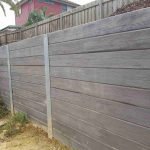
Concrete sleepers are popular due to their toughness and low upkeep requirements. They are frequently used in residential settings due to the fact that they provide outstanding resistance against weather condition conditions.
H Beams
H beams provide extraordinary load-bearing abilities, making them perfect for larger tasks where soil pressure may be more significant.
Wood Sleepers
Wood sleepers offer a more natural aesthetic but might need additional treatments for durability versus rot.
Timber Sleepers
Similar to wood sleepers but typically thicker and tougher; timber options also include a rustic beauty but might not have the very same life expectancy as concrete alternatives.
Stone Keeping Walls
Stone walls can be exceptionally beautiful but frequently need knowledgeable workmanship which might lead to higher costs and more strict policies regarding installation methods.
Local Zoning Laws Impacting Your Project
Zoning laws determine how land can be utilized within particular locations. Understanding these laws is critical when working on any building job including retaining walls.
Setback Requirements
Most jurisdictions have problem requirements that determine how far back from residential or commercial property lines structures need to sit.
Example:
|Location Type|Minimum Problem|| -----------|----------------|| Residential|5 feet|| Commercial|10 feet|
Building Codes Associated with Retaining Walls
Building codes develop standards for building practices within your region; breaking these can result in fines or even demolition orders.
Structural Stability Standards
Regulations typically define minimum heights for walls depending on their products-- concrete sleep walls might have more stringent standards than wood ones due to their weight-bearing capacities.
How Does Soil Type Impact Permit Requirements?
The type of soil on your residential or commercial property plays a significant function in determining whether you'll require additional engineering evaluations before building your maintaining wall.
Question: What soil types most commonly impact retaining wall construction?
Clay Sand LoamEach soil type has its own qualities that might either support or undermine a maintaining structure's stability.
Engineering Factors to consider: When You Might Required an Engineer's Sign-Off?
In some cases-- especially if you're building a taller or more complex wall-- your municipality might need plans signed off by an engineer or designer before providing permits.
Cost Ramifications of Licenses and Laws on Your Job Budget
Understanding the cost ramifications related to licenses can affect your total budget significantly.
Breakdown of Possible Costs
Application Fees: Varieties from $50-$500. Inspection Fees: Varies based on locality. Engineering Expenses: Can range from $200-$2000 depending upon complexity.Timeline for Protecting Permits: What To Expect?
The timeline can differ extensively based upon region; nevertheless, here's what you may anticipate:
Pre-application conferences (if required) Submission review (1-4 weeks) Approval & & License issuance (1-8 weeks)FAQs About Retaining Wall Installation
1. Do I need a permit for a small keeping wall?
Yes! Many jurisdictions need permits even for smaller structures due to the fact that they still effect drain patterns and home lines.
2. The length of time does it require to get a permit?
Typically in between one week to a number of months depending on regional guidelines and complexity associated with the project.
3. Can my installer deal with all permitting tasks?
Often yes! Many knowledgeable contractors handle this procedure as part of their service offering.
4. What occurs if I don't acquire a permit?
You run the risk of https://telegra.ph/Vital-Tools-in-a-Professional-Retaining-Wall-Home-builders-Kit-02-25 dealing with fines or being bought to take apart an unpermitted structure.
5. Exist various requirements for different materials?
Yes! Specific materials may have unique structural code requirements which might impact permitting processes considerably.
6. How do I discover regional zoning laws?
Visit your local community office or check their site where zoning ordinances are generally published online!
Conclusion
Understanding authorizations and guidelines with your retaining wall installer is not practically administration; it includes safety, neighborhood standards, and eventually protecting your financial investment! By approaching this job attentively-- with open lines of interaction between yourself and certified professionals-- you'll pave the way toward successfully finishing your task while adhering strictly to all legal requirements surrounding it! Whether you're selecting concrete sleepers, wooden options like timber sleeper walls, or grand stone buildings-- being notified will constantly make your journey smoother!